Exploring Augmented Reality Overlays That Help Users Visualize Accumulator Structures During Live Tennis Matches on Mobile Platforms
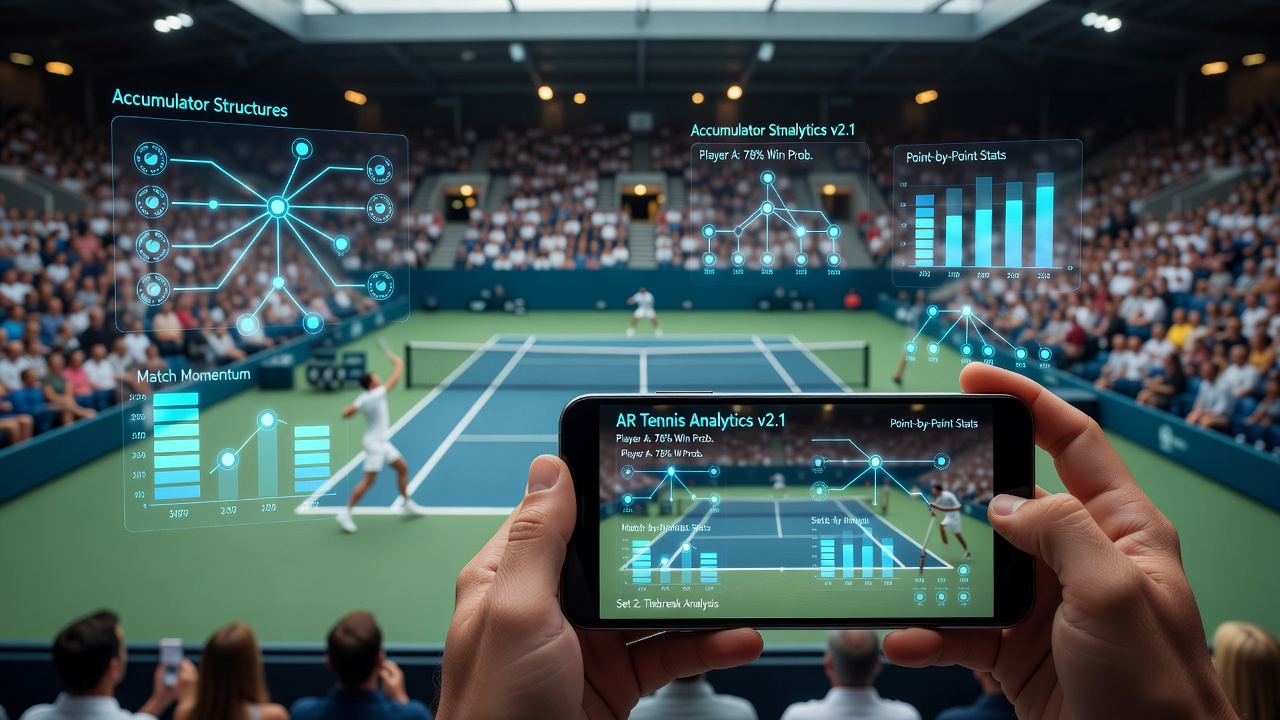
Developers have integrated augmented reality features into mobile applications that allow users to see accumulator structures overlaid directly onto live tennis broadcasts, and these tools combine real-time match data with layered graphics that represent multi-leg betting combinations while the action unfolds on court. Observers note that such systems pull statistics from official match feeds, then project them as interactive elements on the user's screen through the device's camera or video player. Researchers at several technology firms have documented how these overlays update dynamically as points conclude, and they adjust potential outcomes based on remaining legs in the accumulator. Mobile platforms now support AR frameworks that align virtual elements with the physical court dimensions visible through the phone, and this alignment relies on computer vision algorithms that track player positions alongside ball trajectories. Data from October 2026 shows increased adoption among users who access tennis streams through dedicated apps, where the AR mode activates during key moments such as service breaks or tiebreaks. Those who study mobile technology trends report that the feature requires compatible hardware with sufficient processing power, and it maintains synchronization through low-latency connections to data providers.Core Components of the AR Visualization System
Accumulator structures appear as branching diagrams or stacked panels that display each leg of a multi-selection bet next to the corresponding player or statistic, and users can expand individual segments to review odds calculations without leaving the live view. The system incorporates color-coded indicators that shift when a leg resolves, while conjunctions connect related data points such as set scores and point differentials into a single flowing display. Engineers designed the interface so that tap gestures reveal deeper breakdowns, and this approach keeps the primary video feed uninterrupted during extended rallies.
Integration with official scoring systems ensures accuracy, since the overlays draw from the same databases used by broadcasters and tournament officials, and updates occur within seconds of point completion. Studies from academic institutions have examined how these visual layers affect user engagement, and findings indicate that structured representations help clarify complex accumulator paths during fast-paced exchanges on grass or clay surfaces.
Implementation Across Major Tennis Events in 2026
Applications deployed at events including the Australian Open and US Open circuits have incorporated these AR tools, and developers partnered with tournament organizers to access high-resolution camera angles that enhance overlay precision. Observers note that regional variations exist because network conditions differ, yet the core functionality remains consistent across platforms operating on iOS and Android ecosystems. Figures from industry reports reveal that sessions featuring AR visualization extend longer on average than standard streams, since users interact with the accumulator layers during changeovers and medical timeouts.
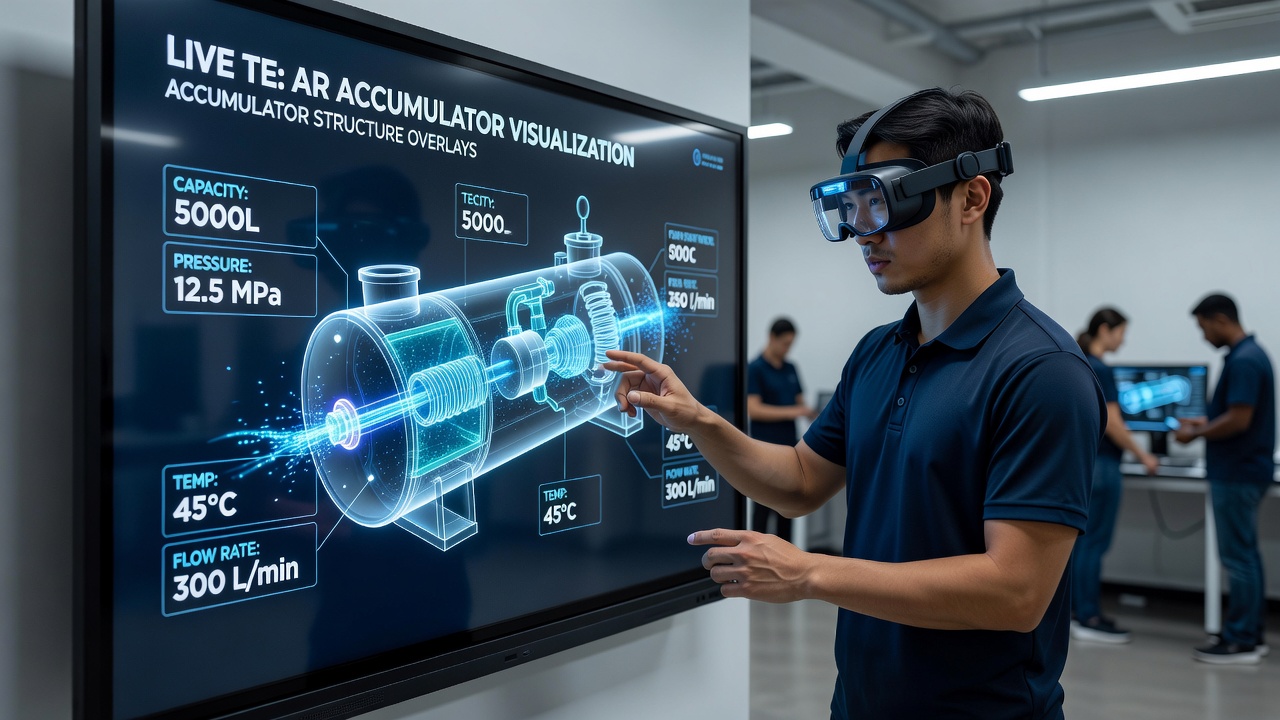
One documented case involved a mobile application that synchronized accumulator visuals with player biometric data feeds where available, and this combination allowed users to monitor fatigue indicators alongside their selected legs. The setup processes information through edge computing nodes to reduce delays, and it presents the results as translucent panels anchored to specific areas of the court. Those who analyze usage patterns have observed peak interaction during final sets when accumulator outcomes hang in balance.
Technical Requirements and Data Sources
Users must grant camera and location permissions for full AR functionality, while the software calibrates the device against known court markings to maintain accurate scaling of overlays. According to a MIT Media Lab project on augmented sports interfaces, alignment accuracy improves when applications combine gyroscope data with visual markers. Another source comes from the International Council of Communication and Technology reports, which track adoption rates across different regions and note steady growth in AR-enabled sports applications through late 2026.
Security protocols encrypt the accumulator data streams separately from the video feed, and this separation prevents interference during transmission. Developers continue to refine occlusion handling so that virtual elements do not obscure actual players or ball movement, adn testing occurs under varied lighting conditions typical of indoor and outdoor venues.
Conclusion
Augmented reality overlays for accumulator visualization continue to evolve alongside improvements in mobile hardware and data delivery networks, and they provide structured representations of complex betting structures during live tennis matches. The combination of real-time scoring feeds with spatial graphics creates an integrated viewing experience that aligns with existing mobile consumption habits. Ongoing refinements focus on broader device compatibility and reduced latency, while regulatory frameworks in multiple jurisdictions address data handling practices associated with these applications.